

The Future of Financial Planning
The financial planning landscape is undergoing a profound transformation. Artificial intelligence, automation, and advanced analytics are reshaping how businesses approach financial strategy, investment decisions, and risk management. Understanding these changes is essential for finance leaders who want to stay ahead of the curve.
AI-Powered Analytics
Artificial intelligence is revolutionizing financial analysis. Machine learning algorithms can process vast amounts of data to identify patterns, predict market trends, and uncover insights that would be impossible for humans to detect manually. These AI-powered tools enable finance teams to make faster, more accurate decisions.
Forward-thinking organizations are already using AI for cash flow forecasting, credit risk assessment, and fraud detection. The technology continues to evolve rapidly, with new capabilities emerging that promise even greater value for financial planning and analysis.
Automated Reporting and Compliance
Manual financial reporting is becoming a thing of the past. Automated systems can now generate accurate financial statements, reconcile accounts, and ensure regulatory compliance with minimal human intervention. This automation frees up finance professionals to focus on higher-value strategic activities.
Cloud-based financial management platforms are making it easier than ever to maintain real-time visibility into financial performance across the organization. Integration with other business systems creates a unified view of financial data that supports better decision-making.
"Finance teams that embrace automation and AI will have a significant competitive advantage in the years ahead. The technology is not replacing human judgment,it's augmenting it."
Predictive Modeling and Scenario Planning
Advanced predictive models are enabling finance teams to anticipate future outcomes with greater precision. By combining historical data with real-time inputs and external factors, these models can forecast revenue, expenses, and cash flows under various scenarios.
Scenario planning has become essential in an uncertain world. Finance leaders are using sophisticated tools to model the impact of different economic conditions, market changes, and strategic decisions on financial performance. This capability supports more resilient strategic planning.
Real-Time Financial Visibility
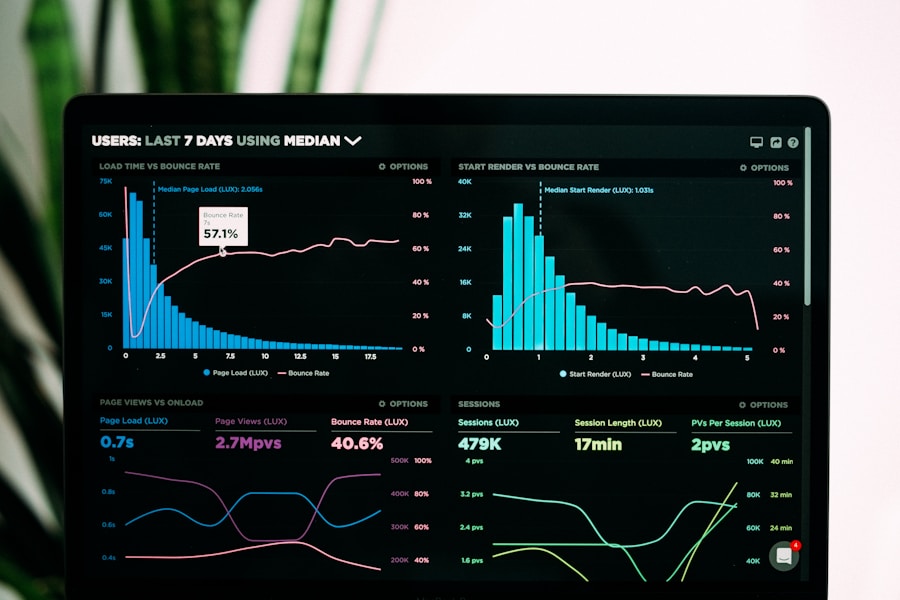
The days of waiting until month-end for financial reports are over. Modern financial systems provide real-time visibility into key metrics, enabling faster responses to changing conditions. Dashboards and alerts keep stakeholders informed and enable proactive management.
This real-time visibility extends across the organization, from operational metrics to strategic KPIs. Finance teams can now provide insights on demand, supporting agile decision-making at all levels of the business.
The Evolving Role of Finance Professionals
As technology handles more routine tasks, the role of finance professionals is evolving. Strategic thinking, business partnering, and data interpretation are becoming more important than number-crunching and report generation. Finance teams are increasingly expected to provide insights and recommendations, not just data.
This evolution requires new skills and mindsets. Finance leaders should invest in developing their teams' capabilities in areas like data science, strategic analysis, and stakeholder communication.
Preparing for the Future
Organizations that want to lead in financial planning should start by assessing their current capabilities and identifying gaps. Investing in modern technology platforms, developing talent, and building a culture of innovation will be key success factors. The future belongs to finance teams that combine technological excellence with strategic insight.